Launch the Calendly alternative.
Frictionless meeting booking with calendar-aware availability and embeddable widgets. Generic by design — they can't tune the booking flow, fields, or fees for a specific vertical's workflow.




Calendly is the default for scheduling — and that's exactly why there's room for an alternative. Frictionless meeting booking with calendar-aware availability and embeddable widgets.
Where they leave room: Generic by design — they can't tune the booking flow, fields, or fees for a specific vertical's workflow.
Operators across verticals pay the "horizontal tax" — calendly fits their job at maybe 60%, and the other 40% lives in spreadsheets and Slack. That gap is the founder opportunity — a scheduling SaaS that nails one workflow the way Calendly can't, priced for the segment Calendly ignores.
Note: We frame this as "alternative to" and "inspired by" Calendly — never as a clone, copy, or imitation. Calendly is a trademark of its respective owner.
- Founder sprint + positioning workshop
- Wedge feature definition
- Fixed scope, fixed price
- Stripe + multi-tenant day one
- Live MVP in 6–12 weeks
- You own code, data, infra
Four moves that turn "Calendly alternative" into a real business.
Win on vertical fit, not feature count
Calendly can't ship your target segment-specific fields, workflows, and reports for every segment — the surface area is too big. A focused scheduling SaaS for your target segment can ship the right defaults out of the box, which feels like magic after using a generic tool.
Win on pricing model
Calendly uses per-seat pricing that scales linearly with team size. That math punishes your target segment operators at certain growth points. A different pricing model — flat per-org, per-job, per-location, or per-transaction — can flip the value calculation in your favor.
Win on onboarding
Calendly onboarding is generic by necessity. A your target segment-native onboarding that imports the right data, sets up the right pipelines, and ships sample workflows in 10 minutes is a real moat.
Win on the integration that matters
Calendly integrates with thousands of apps — generically. Going deep on the 2–3 integrations your target segment actually live in, with bi-directional sync and vertical-tuned data mapping, beats a thousand shallow Zapier connectors.
- A multi-tenant scheduling SaaS with auth, RBAC, and workspaces
- Stripe subscription billing with trials, plans, and dunning
- Vertical-tunable onboarding and templates
- 2–3 deep integrations (the ones your target users actually live in)
- Admin console + customer self-serve portal
- Analytics, error monitoring, and an experiment loop
- Production deploy on a stack you can scale without rearchitecting
- Source code, infrastructure, and full handoff — you own everything
"Calendly is huge — can we really compete?"+
You don't compete on their terms. Generic by design — they can't tune the booking flow, fields, or fees for a specific vertical's workflow. Founders win this fight by going narrower than Calendly ever will, and pricing for the segment Calendly doesn't see.
"Won't Calendly just add the feature?"+
Maybe — but they'll add it for the average customer, not for a defined vertical. By the time the generic version ships, you'll be three iterations ahead on the vertical workflow, with a customer base that switched for that exact reason.
"Is this legally OK to build?"+
Yes — building an alternative to a category leader is normal. We frame the positioning as "inspired by" and "alternative to" (which is fair use), never as a clone, copy, or imitation of trade dress or trademarks. The product is your own design.
"How do we win the first 10 customers from Calendly?"+
Founder-led sales, a sharp wedge feature, and a free migration. We help you instrument the funnel from day one so you can iterate the pitch and pricing weekly against real a defined vertical prospects.
"What if we run out of money before product-market fit?"+
MVP in 6–12 weeks at fixed scope keeps burn predictable. Most founders raise off real ARR from 5–10 design-partner customers — easier than raising off a deck.
Real builds we've shipped
We don't just write playbooks — we ship them. A few production launches from the Envert team.
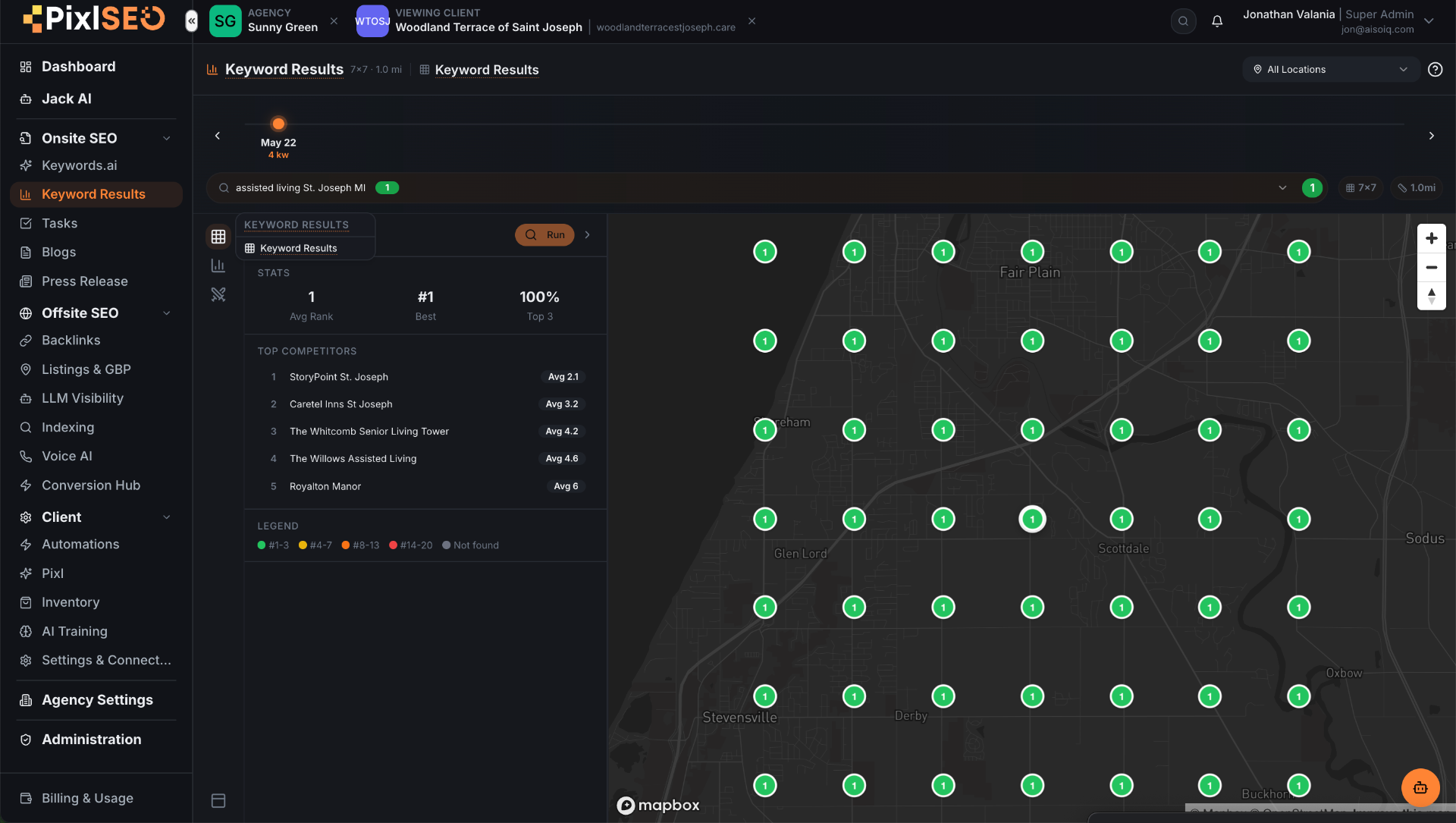
PixlSEO
Get more customers without lifting a finger — entire local SEO on autopilot.
View case study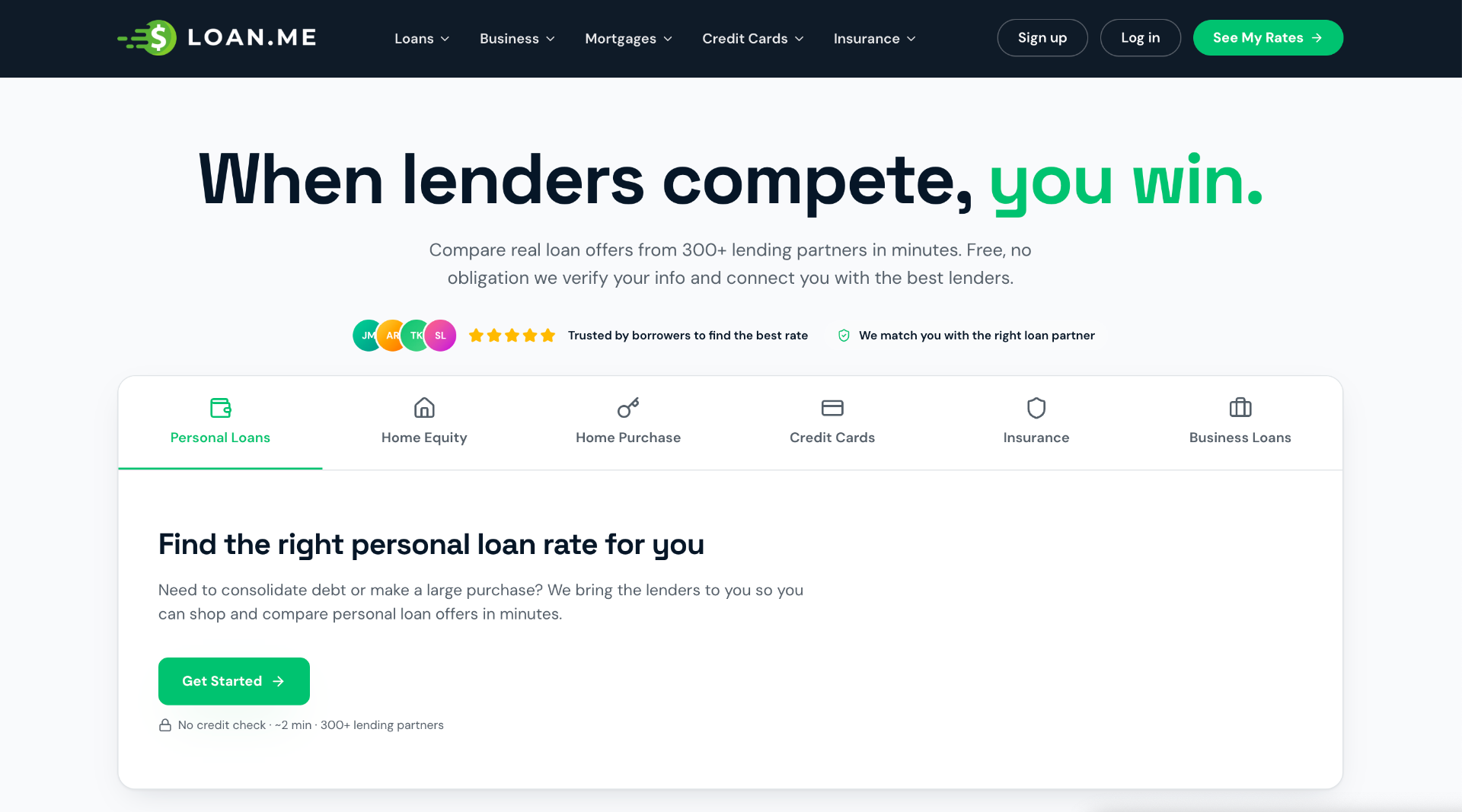
Loan.me
When lenders compete, you win — compare real loan offers from 300+ partners in minutes.
View case study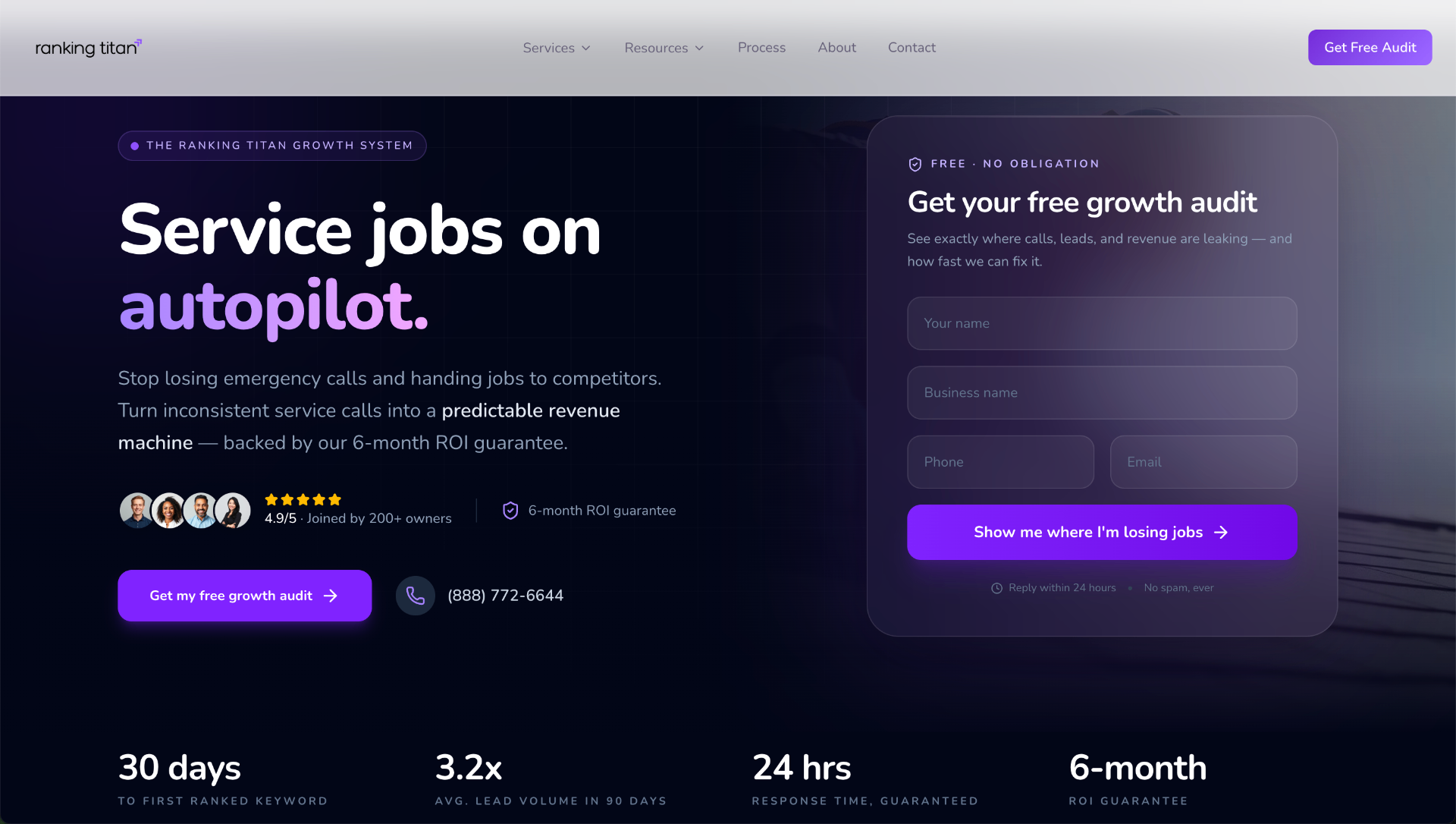
Ranking Titan
10,000+ programmatic landing pages that rank — built for a marketing agency's own lead gen.
View case studyReady to launch the Calendly alternative?
Book a Founder Strategy CallMost scheduling SaaS MVPs ship in 6–12 weeks.