
Build an Insurance CRM for Restaurants.
Fixed scope, senior engineers, live in 8–14 weeks. You own the code, data, and roadmap.




You've probably tried the off-the-shelf insurance crm options. They almost fit — except for the three workflows that actually make your restaurants business work. So your team patches the gaps with spreadsheets, Slack threads, and that one Zapier flow nobody remembers building. Building an insurance crm from scratch — purpose-built for restaurants — is faster and cheaper than most operators expect.
Restaurants often rely on disconnected tools, manual processes, and limited visibility across operations. Insurance CRM Development provides a centralized platform tailored to the workflows and requirements of Restaurants. Instead of bending your operation around generic software, you get a system that mirrors how restaurants actually run — same vocabulary, same flow, same daily rhythm — with the integrations and reporting your existing tools refuse to give you.
Most restaurants ship a working v1 in 8–14 weeks for a fixed price. You own the source code, the database, the design files, and the roadmap. No per-seat tax. No vendor lock-in. No 18-month enterprise sales cycle to get a single feature changed.
- Fixed scope and fixed price after week 1
- Working demo every Friday
- Live in 8–14 weeks
- You own code, data, and infrastructure
- 60 days of post-launch support included
- Dashboards
- Reporting
- User Roles
- Automations
- Notifications
- API Integrations
- HubSpot
- Salesforce
- Stripe
- QuickBooks
- Zapier
- Google Workspace
Discovery this week. Live in 8–14 weeks.
Step 1 — Scoping Call
A 30-minute call to understand your restaurants workflow, the users, and the must-have outcomes for your insurance crm. We leave with a clear yes/no on fit — no pressure either way.
Step 2 — Fixed Scope & Quote
Week 1. We map the insurance crm end-to-end, sketch the UI, and deliver a written scope with a fixed price. You can stop here — the scope and quote are yours to keep either way.
Step 3 — Architecture & First Sprint
Weeks 2–4. Data model, auth, RBAC, and integration architecture against HubSpot, Salesforce, Stripe. The first clickable surface ships to a staging URL by end of week 4.
Step 4 — Build Sprints
Weeks 4–10. Two-week sprints with a working demo every Friday — not a status report. Integrations go live in staging so you see real restaurants data flowing before launch.
Step 5 — Pilot & Launch
Weeks 10–14. We migrate your data, train your team, run a parallel pilot for one to two weeks, then cut over to production on your infrastructure. You own the code, data, and docs.
Step 6 — Support & Iterate
Post-launch. 60 days of weekly tuning included based on real usage. After that, keep us on retainer for ongoing iteration or hand off cleanly to your in-house team.
Everything in the build.
- A production insurance crm purpose-built for restaurants — not a configured template
- Live integrations with HubSpot, Salesforce, Stripe, QuickBooks
- Role-based access for operators, admins, customers, and partners
- Dashboards and reporting tuned to your restaurants KPIs
- Mobile-ready UI for field, office, and customer-facing users
- Migration from your current spreadsheets, legacy tools, or vendor
- Full source code, infrastructure, documentation, and admin handoff
- 60 days of post-launch support, tuning, and minor enhancements
The architecture for your insurance crm.
The spine is a normalized contact/account/deal model in Postgres with row-level security, fed by website forms, your ad platforms, and inbound email parsing. An automation engine watches stage changes and fires sequences — emails, tasks, calendar invites, internal chat pings — without the brittleness of a no-code glue layer. Reps work out of a fast Kanban + table UI tuned to how restaurants actually sell, not a generic SaaS layout.
Data flow
Forms + ads + email → contacts + deals (Postgres) → automation engine → email/calendar + internal chat
Why restaurants choose to build insurance crm.
It costs less than you think
Most restaurants expect custom insurance crm to cost mid-six figures and take a year. Reality is closer to a fixed build fee in the high five figures to low six figures, shipped in 8–14 weeks. When you net out 3 years of per-seat SaaS subscriptions plus the hidden cost of workarounds, custom usually wins on TCO inside year two.
You own the roadmap
Off-the-shelf insurance crm ships features for the average customer across every industry. When you need something specific to restaurants, you wait — for quarters, sometimes years. With custom insurance crm the next feature ships in the next sprint because your engineers are your engineers.
You stop paying the workaround tax
Every workaround — the spreadsheet, the Zapier flow, the manual export, the "ask Jenny to run that report" — has a real weekly cost in time and errors. Custom insurance crm eliminates them at the root instead of bolting on another integration.
Your data stays yours
Source code, database, infrastructure config, and design files are yours from day one. No vendor lock-in. No surprise pricing changes. If we ever stopped working together, your business keeps running.
"We're not big enough to justify custom insurance crm."+
That's usually the opposite of true. The smaller and more focused your restaurants operation, the more the off-the-shelf tools cost you in workarounds. Custom insurance crm starts paying back fastest at the operator-led stage — before you've built three layers of process around generic software.
"Won't it take forever and go over budget?"+
Not when scope is fixed in week one and demos ship every Friday. Most insurance crm engagements for restaurants ship v1 in 8–14 weeks at the price quoted in discovery. The reason most custom software runs late is unbounded scope — we fix that on day one.
"What if we hate it after launch?"+
You won't get there. Weekly demos mean you've seen and signed off on every screen before launch. The pilot phase runs the new system in parallel with whatever you use today, so you have a clean rollback option until you don't need one.
"Who maintains it after we go live?"+
We include 60 days of post-launch support — bug fixes, tuning, and minor enhancements. After that you can keep us on retainer for ongoing iteration, hand off to your in-house team, or do a hybrid where we handle major releases and you handle day-to-day.
"What about security and compliance?"+
SOC2-ready architecture, role-based access, encryption at rest and in transit, full audit logging from day one. For restaurants with sector-specific regulations, we add the controls and documentation required for your specific regime.
"How do we know you can actually build this?"+
Discovery is fixed-price and stops there if you want it to. You walk away with a written scope, wireframes, and a fixed quote — whether or not you move forward. Most restaurants use the discovery deliverable to make the build/buy decision internally.
Real builds we've shipped
We don't just write playbooks — we ship them. A few production launches from the Envert team.
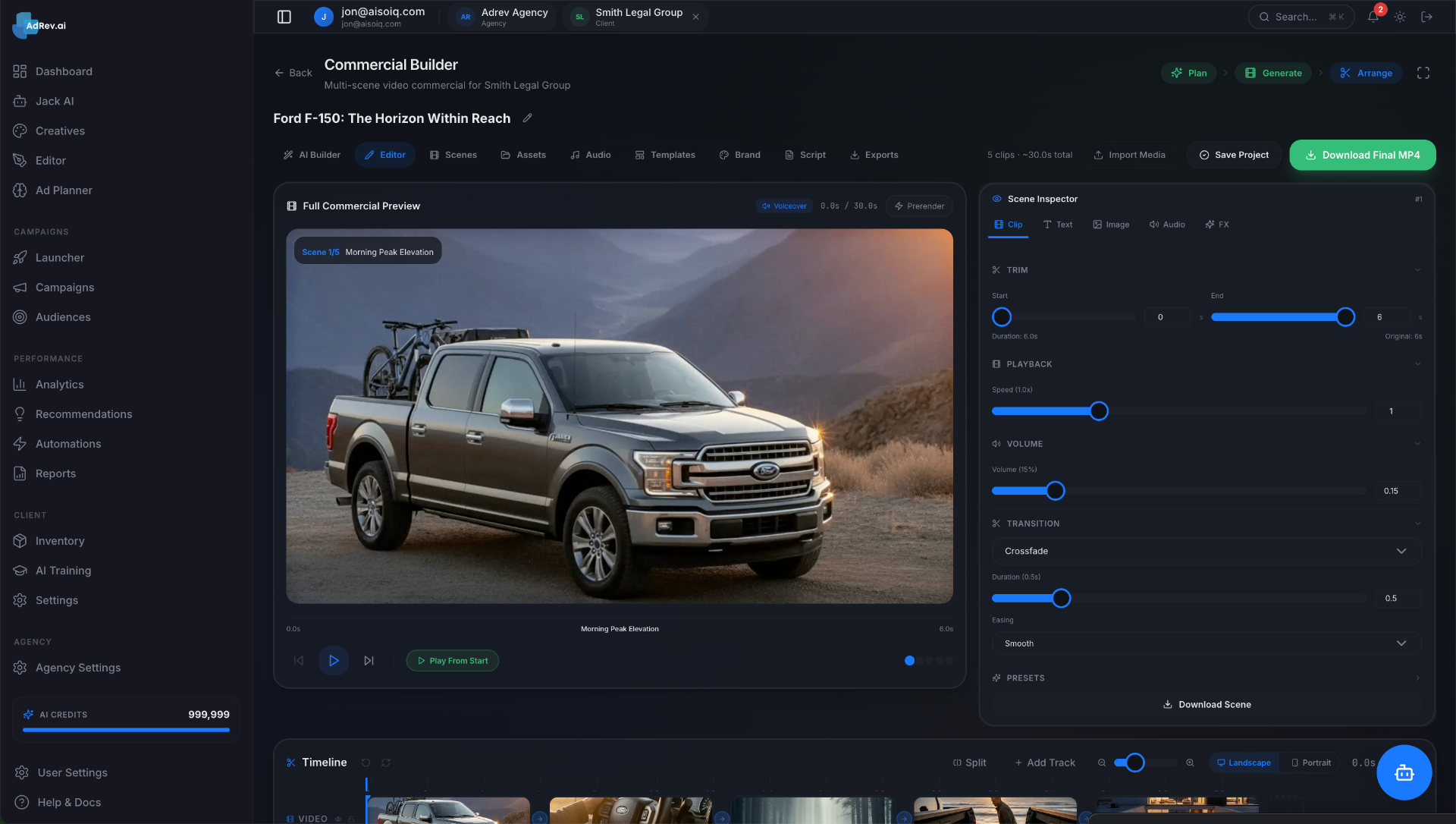
AdRev.ai
The complete AI ad platform — launch, optimize, and scale across every channel from one app.
View case study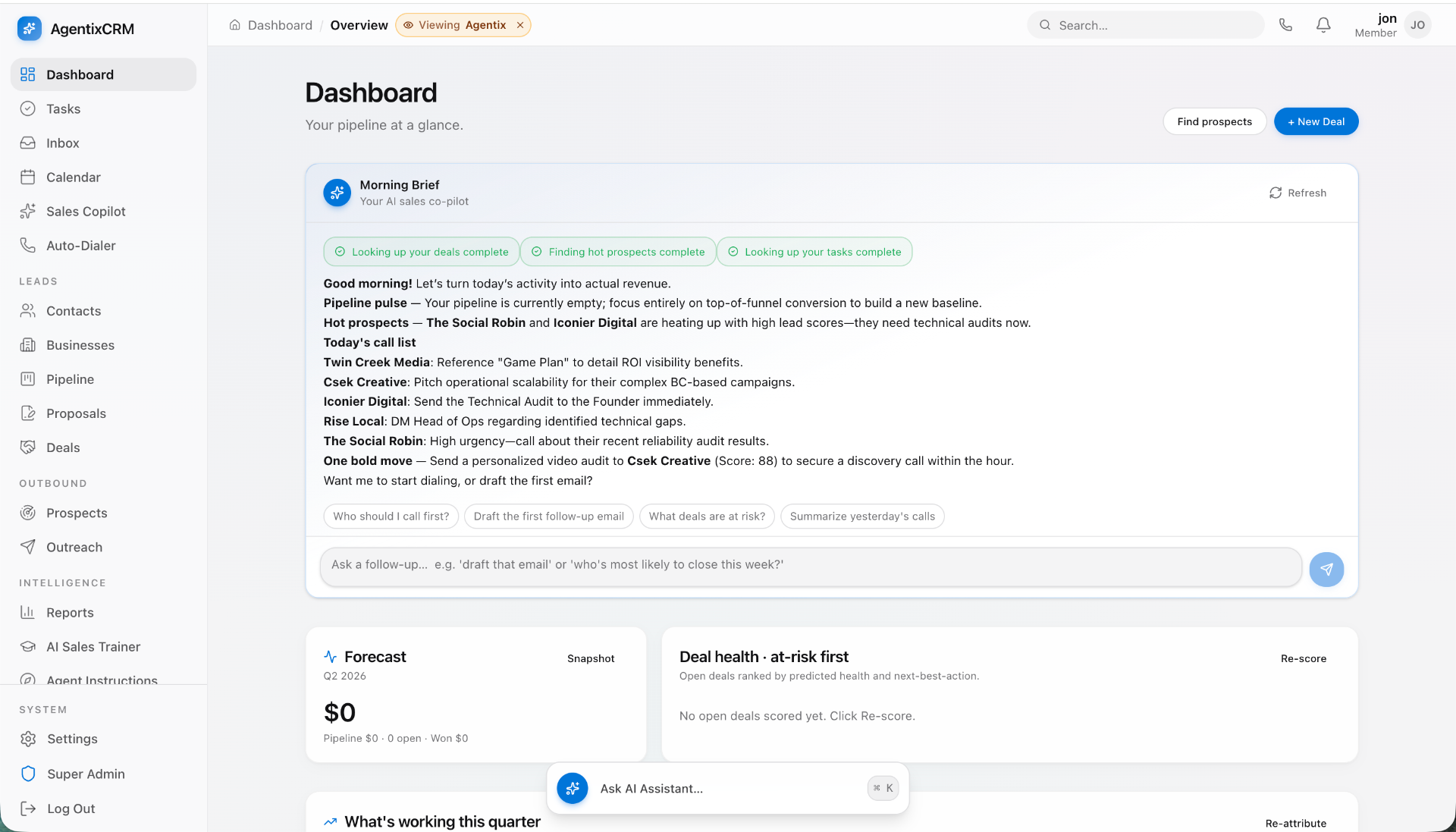
AgentixCRM
Your AI sales co-pilot — pipeline, prospecting, and the next-best call, all in one CRM.
View case study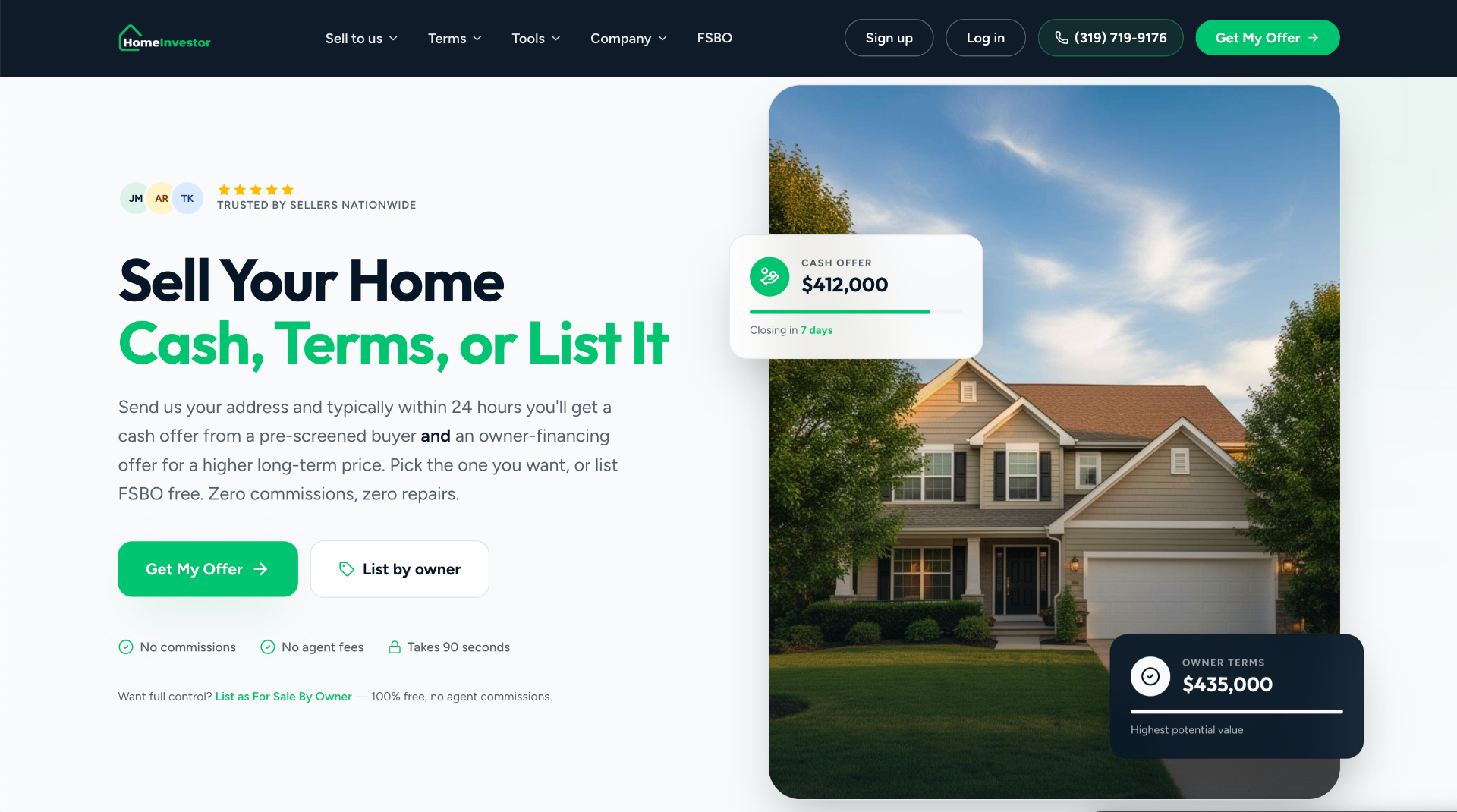
HomeInvestor
Sell your home cash, on terms, or list FSBO — one address, three offers.
View case studyReady to build an insurance crm for your restaurants business?
Discovery is fixed-price and yours to keep either way — written scope, wireframes, and a fixed quote.
Book a Build Scoping CallBuild an Insurance CRM for Roofing Companies
HVAC CompaniesBuild an Insurance CRM for HVAC Companies
Plumbing CompaniesBuild an Insurance CRM for Plumbing Companies
Electrical ContractorsBuild an Insurance CRM for Electrical Contractors
Landscaping CompaniesBuild an Insurance CRM for Landscaping Companies
Pest Control CompaniesBuild an Insurance CRM for Pest Control Companies
Most restaurants ship their insurance crm v1 in 8–14 weeks.