Launch a Vertical ERP SaaS for Solar Installers.
An end-to-end ERP designed around one industry's actual operating model. MVP in 6–12 weeks, fixed scope, you own the code.




If you're a founder looking to launch a vertical erp saas aimed at solar installers, the hard part isn't the idea — it's compressing the first 6–12 months into a focused MVP that solar installers will actually pay for. An end-to-end ERP designed around one industry's actual operating model.
The opportunity in solar installers is specific: most operators in this space are still stitching together a generic CRM, a spreadsheet, and three single-purpose tools. A purpose-built vertical erp saas that mirrors their daily workflow wins on day-one usability before it ever competes on price.
We'll help you go from a Notion doc and a few customer interviews to a paying-customer MVP in 6–12 weeks — with a clean architecture, billing wired up from day one, and a roadmap you can pitch to your first 10 design partners.
- Founder sprint week 1 (scope + wireframes + quote)
- Fixed scope, fixed price
- Working demo every Friday
- Stripe + multi-tenant from day one
- Live MVP in 6–12 weeks
- You own code, data, and infra
- Industry-tuned modules
- Inventory + finance + ops
- Role-based dashboards
- Workflow automation
- API for integrations
- Mobile-ready
- QuickBooks
- Shopify
- Salesforce
- Slack
- Power BI
Pricing model: Per-seat + module tier
From founder doc to paying customers in 6–12 weeks.
Week 1 — Founder sprint
Customer interviews, scope cut to the 20% of features your first 10 solar installers will actually use, fixed price, wireframes, brand direction.
Week 2–3 — Architecture & first surface
Multi-tenant data model, auth, billing wired up. The first user-facing flow of your vertical erp saas ships to a staging URL design partners can click through.
Week 4–8 — Build sprints with weekly demos
Two-week sprints. Every Friday you see working software in front of design partners — real solar installers feedback before launch, not after.
Week 9–12 — Pilot, polish, launch
Onboard your first 5–10 paying solar installers, fix the rough edges they surface, then open public signup with billing live from day one.
Everything inside the v1.
- A multi-tenant vertical erp saas with auth, RBAC, and per-org workspaces
- Subscription billing via Stripe (or Paddle) with trials, plans, and dunning
- Industry-tuned modules, Inventory + finance + ops, Role-based dashboards
- Workflow automation, API for integrations, Mobile-ready
- Admin console for support, impersonation, and refunds
- Onboarding flow tuned to solar installers operators
- Production deploy on a serverless/edge stack you can scale without rearchitecting
- Analytics, error monitoring, and a basic growth experiment loop
How founders win solar installers.
Who are your first 10 customers?
Don't chase "Solar Installers" as a whole — pick 10 specific solar installers you already have a path to. Founder-led sales, weekly check-ins, and an "I'll build the feature you need this week" promise will outperform any paid channel in the first 90 days.
What's the wedge feature?
Pick the single workflow inside solar installers where the current tooling is most painful, and own it. A great vertical erp saas usually wins because it nails one workflow 10x better, then expands — not because it ships 30 features at v1.
How do you price the MVP?
Monthly seat pricing is the default, but for solar installers a hybrid (low base + per-job, per-location, or per-transaction) often converts better and aligns price with the value the customer actually sees.
Build vs no-code for v1?
No-code is great for the landing page and the waitlist. For the product itself, custom code wins as soon as you have multi-tenant data, billing logic, and integrations — which a real vertical erp saas for solar installers has from week one.
"Isn't this market already crowded?"+
Generic vertical erp saas platforms are crowded. Solar Installers-specific vertical erp saas usually isn't. Operators in solar installers have repeatedly told us the horizontal tools feel like a tax — they'd pay more for something that just speaks their vocabulary out of the box.
"Should I raise before I build?"+
Not for a 6–12 week MVP. A working product with 5 paying solar installers design partners raises 10x easier than a deck. We've helped founders go from self-funded MVP to seed inside 9 months on the back of real ARR.
"What if pricing doesn't work?"+
Billing is wired up from week 2, so by the time you're in front of design partners you're testing real price points — not guessing. We instrument the funnel so you can change pricing weekly without engineering work.
"What happens after launch?"+
You own the source code, the database, the infra, and the domain — day one. We include 60 days of post-launch support; after that you can keep us on retainer, hire in-house, or hybrid.
"What about compliance for solar installers?"+
We bake in role-based access, encryption at rest and in transit, full audit logs, and SOC2-ready architecture by default. For solar installers with sector-specific regulation we add the controls (HIPAA, PCI, FINRA, etc.) required for your specific market.
Real builds we've shipped
We don't just write playbooks — we ship them. A few production launches from the Envert team.
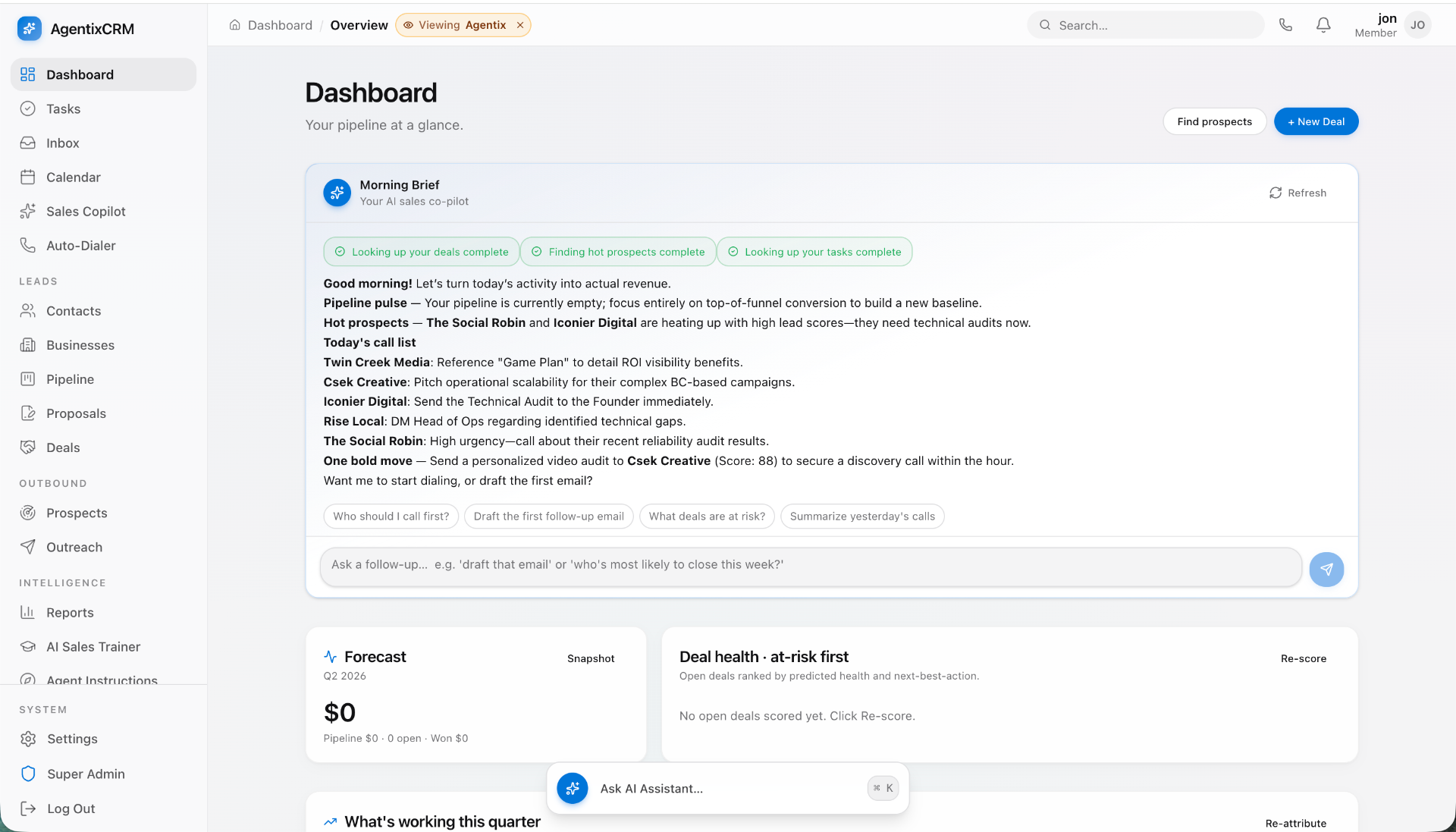
AgentixCRM
Your AI sales co-pilot — pipeline, prospecting, and the next-best call, all in one CRM.
View case study
Loan.me
When lenders compete, you win — compare real loan offers from 300+ partners in minutes.
View case study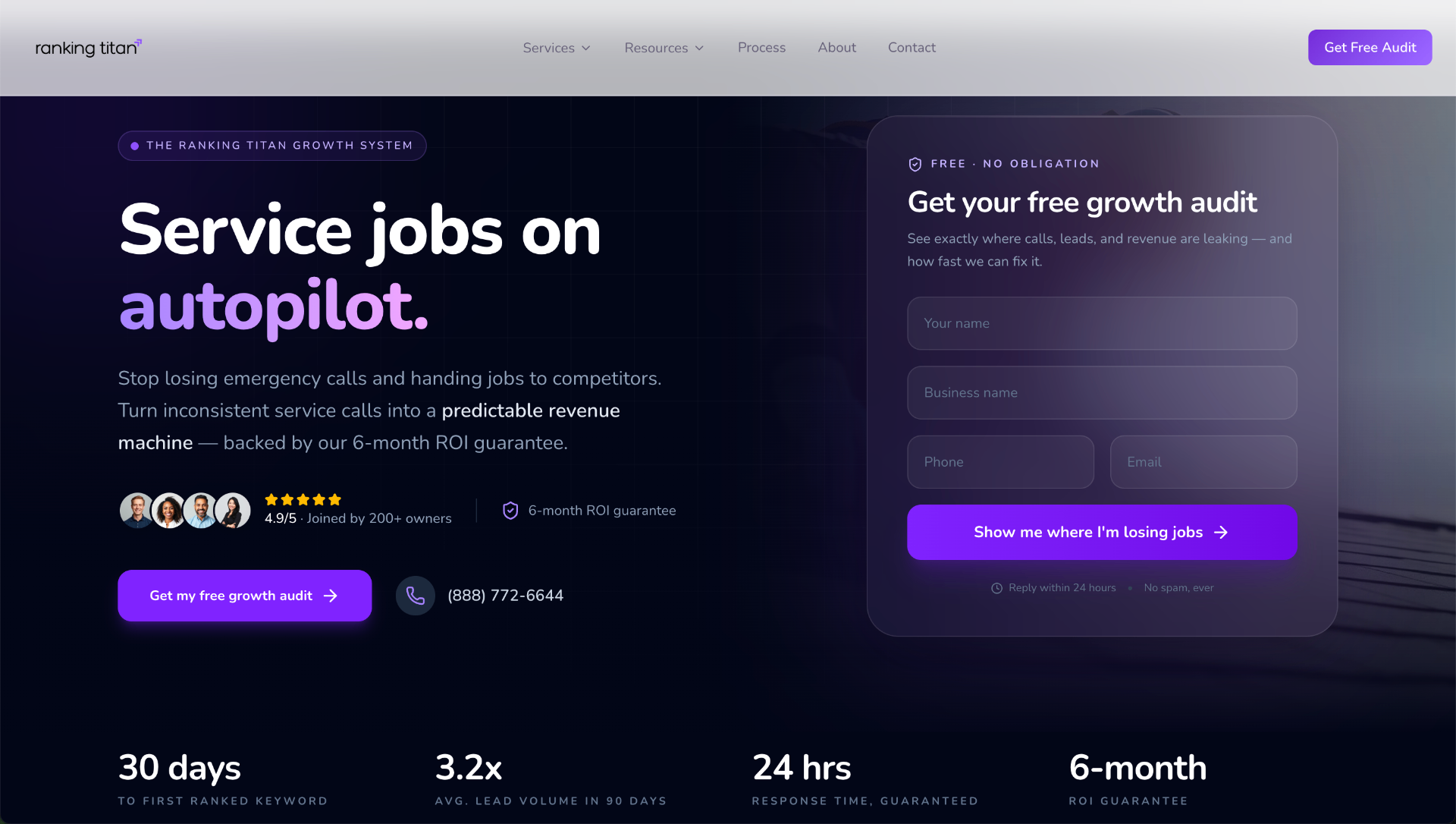
Ranking Titan
10,000+ programmatic landing pages that rank — built for a marketing agency's own lead gen.
View case studyReady to launch your vertical erp saas for solar installers?
Discovery is fixed-price and yours to keep either way — written scope, wireframes, and a fixed MVP quote.
Book a Founder Strategy CallLaunch a Booking SaaS for Solar Installers
Solar InstallersLaunch a Scheduling SaaS for Solar Installers
Solar InstallersLaunch a CRM SaaS for Solar Installers
Solar InstallersLaunch an Invoicing SaaS for Solar Installers
Solar InstallersLaunch a Subscription Billing SaaS for Solar Installers
Solar InstallersLaunch a Marketplace SaaS for Solar Installers
Most founders ship their vertical erp saas MVP in 6–12 weeks.